
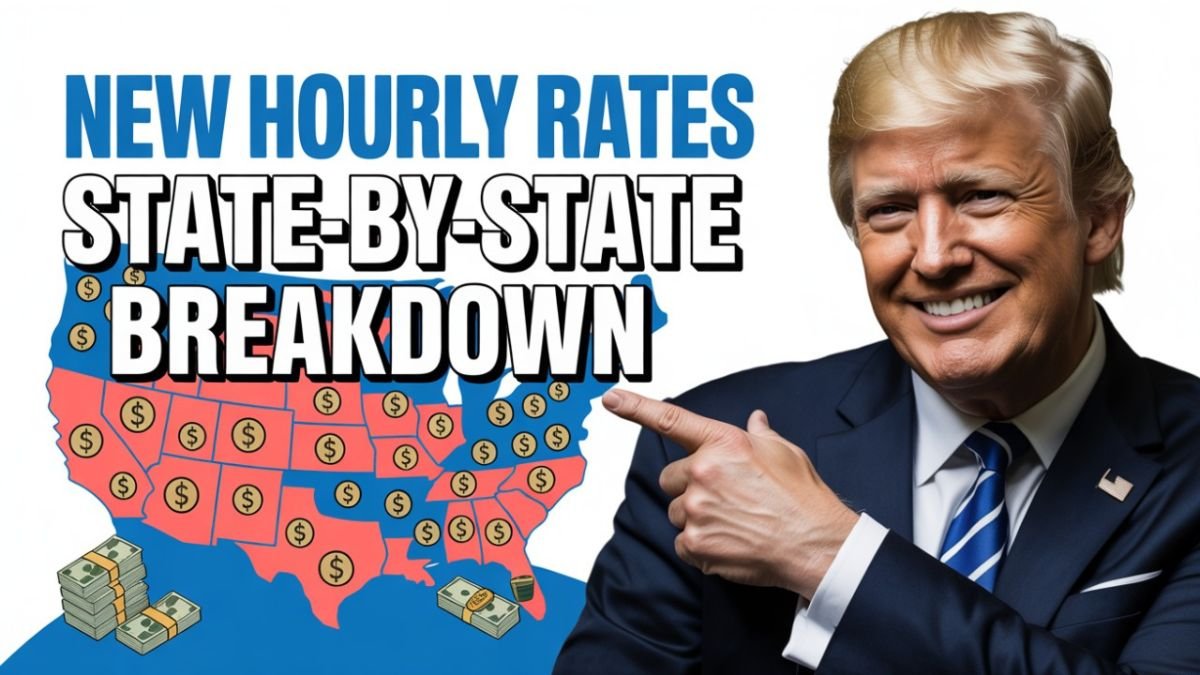
Minimum wage rates in the United States are undergoing significant changes in 2026. As in previous years, the government and various states have released new hourly rates to ensure the economic security of employees and workers. This change is not merely an economic decision; it directly impacts the lifestyle, spending habits, and daily needs of American workers.
This article explains in detail the changes to the minimum wage in 2026, the state-by-state variations, and what this means for average American employees and workers.
Why the Minimum Wage is Important
The primary purpose of the minimum wage in the United States is to ensure that every worker receives fair compensation for their labor. This is especially crucial for low-wage workers, such as those employed in retail, restaurants, cleaning services, and small businesses.
The minimum wage helps employees maintain economic security, meet their daily needs, and sustain a decent standard of living. Amidst rising inflation and the increasing cost of living, ensuring that employees can comfortably manage their family and personal expenses is paramount.
Why Changes to the Minimum Wage Were Necessary in 2026
In recent years, the inflation rate in the United States has steadily increased. Rent, food, healthcare, and other daily expenses have become a heavy burden for employees. This is why raising the minimum wage in 2026 became necessary.
The new changes aim not only to increase workers’ income but also to protect them from the effects of inflation and provide them with greater economic stability. Furthermore, this step also helps to improve employee satisfaction and productivity.
New Hourly Rates for 2026
New minimum wage rates have been implemented at both the federal and state levels in the United States for 2026. Discussions are underway at the federal level to raise the minimum wage to approximately $15 per hour.
However, each state sets its own rates based on economic conditions and cost of living. Several states have already increased their minimum wage rates, while in some states it still remains at the federal level.
This means that an employee working in one state may receive more or less pay for the same work compared to an employee in another state.
State-by-State Minimum Wage Details
Each state in the U.S. has set its own minimum wage rates for 2026. For example, larger states like California and New York have wage rates significantly higher than the federal level, while in some Southern states, it may still be lower.
This state-by-state wage system is designed to take into account local cost of living, economic development, and employment opportunities. Therefore, it is crucial for employees to be aware of the latest rates in their state so they can understand their rights and demand fair wages.
Impact of the New Changes on Employees
The increase in the minimum wage will lead to an increase in employees’ income. This increase is not limited to just their monthly income but will affect their overall lifestyle and financial stability.
With higher income, employees will be able to better meet their family’s needs, such as children’s education, healthcare, and daily expenses. Additionally, the extra income will give them the opportunity to save and invest for the future.
Challenges for Employers and Businesses
The increase in the minimum wage doesn’t only affect employees. It can also be challenging for employers and businesses. Small businesses, in particular, will need to pay closer attention to balancing expenses and providing fair wages to their employees.
For some businesses, the increased costs may necessitate price increases, operational changes, or adjustments to staffing levels. This change is significant for business strategy and budget management.
Balancing Inflation and the Cost of Living
One of the biggest benefits of the minimum wage increase in 2026 is that it provides employees with protection against inflation. The cost of rent, food, healthcare, and other necessities is constantly rising in the U.S.
This change will enable employees to meet their monthly needs and alleviate financial stress. It will also have a positive impact on mental health and work-life balance.
Preparing for the Future and Raising Awareness
It is essential for employees to be fully informed about their state-specific minimum wage rates and federal regulations. This will help them understand their rights and demand fair wages.
Furthermore, employees can now utilize these increased wages effectively to plan for their financial future and save for the long term.
Conclusion
The minimum wage change in 2026 is not merely an economic decision. It directly impacts employees’ lifestyles, financial security, and job satisfaction.
State-by-state variations and federal guidelines make this change even more significant. With the right information and awareness, employees can take full advantage of this new change and secure a better future for themselves and their families.
FAQs
Q1. What is the new federal minimum wage in 2026?
The federal minimum wage in 2026 is proposed to be around $15 per hour, subject to final government approval.
Q2. Do all states follow the federal minimum wage?
No, each state sets its own minimum wage, which may be higher or equal to the federal rate based on local economic conditions.
Q3. How will the 2026 minimum wage changes affect workers?
Workers will see increased income, better financial stability, and improved ability to meet living expenses.
