
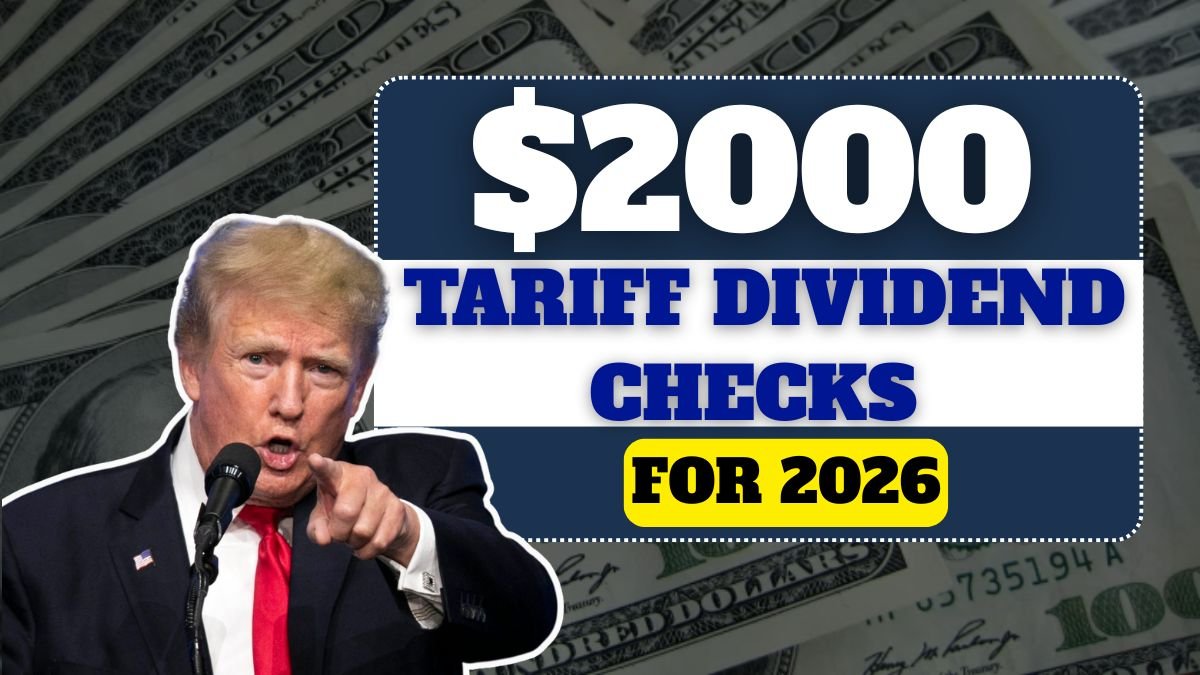
In recent months, conversations around President Trump’s proposed $2,000 tariff dividend checks for 2026 have gained momentum across news platforms and social media. For many American households still feeling the strain of higher living costs, the idea of a direct payment funded by tariff revenue sounds both appealing and controversial. Supporters see it as a way to return trade-related income to citizens, while critics question feasibility, eligibility, and long-term economic impact. As speculation grows, understanding what this proposal actually means is essential.
What Is a Tariff Dividend and How Would It Work?
A tariff dividend refers to a concept where revenue collected from import tariffs is redistributed directly to citizens. Tariffs are taxes imposed on imported goods, typically aimed at protecting domestic industries or addressing trade imbalances. Under the proposed idea, instead of directing all tariff revenue into the general federal budget, a portion would be returned to Americans as a dividend-style payment. The $2,000 figure has drawn particular attention, symbolizing a tangible benefit tied to trade policy rather than traditional stimulus spending.
The Policy Background Behind the Proposal
President Trump has long supported tariffs as a central element of his economic and trade strategy. During his earlier presidency, tariffs were used to renegotiate trade relationships and encourage domestic manufacturing. The 2026 tariff dividend discussion builds on this philosophy, suggesting that tariffs could generate enough revenue not only to influence trade behavior but also to directly benefit American households. This framing positions tariffs as a tool for economic redistribution rather than just trade regulation.
Why the $2,000 Amount Matters to Families
For many households, a $2,000 payment represents more than a symbolic gesture. It could help cover rent, groceries, utility bills, or debt payments. In an era where inflation has affected everyday expenses, even a one-time payment could provide meaningful relief. The appeal of the proposal lies in its simplicity: a clear dollar amount tied to a defined source of funding. This clarity has helped the idea resonate with voters who are wary of complex government programs.
Is the $2,000 Tariff Dividend Confirmed for 2026?
As of now, the $2,000 tariff dividend checks for 2026 remain a proposal rather than a confirmed program. There has been no finalized legislation guaranteeing such payments. Discussions around the idea often emerge during political campaigns or policy debates, making it important to separate confirmed actions from proposed plans. While the concept has been publicly discussed, its implementation would require congressional approval and detailed regulatory planning.
Who Could Be Eligible If Payments Are Approved?
Eligibility is one of the most frequently asked questions surrounding the tariff dividend proposal. While no official criteria have been released, discussions often suggest that payments could be directed toward U.S. citizens or taxpayers. Some versions of the idea envision broad eligibility similar to past stimulus payments, while others suggest income-based limits. Until formal legislation is introduced, eligibility details remain speculative, leaving many households uncertain about whether they would qualify.
How Tariff Revenue Could Fund the Payments
Tariffs generate revenue when imported goods enter the U.S. market. In theory, if tariff collections are high enough, they could fund direct payments without increasing federal debt. However, tariff revenue can fluctuate based on trade volumes, consumer behavior, and international negotiations. This variability raises questions about whether tariff income could consistently support a nationwide $2,000 dividend without affecting other government priorities.
Economic Supporters’ Viewpoint
Supporters of the tariff dividend argue that it aligns with an “America-first” economic strategy. They believe that if tariffs raise consumer prices, it is only fair that Americans receive a direct share of the revenue. Proponents also claim that returning tariff income to citizens could stimulate consumer spending, potentially boosting the economy. From this perspective, the dividend serves both as compensation and economic stimulus.
Concerns Raised by Economists and Critics
Critics point out that tariffs often lead to higher prices for consumers, meaning that households may already be paying more for goods. They argue that a dividend might not fully offset these higher costs, especially for lower-income families. Others worry that distributing tariff revenue could reduce funds available for infrastructure, defense, or social programs. There are also concerns about whether such payments could contribute to inflation if not carefully managed.
Comparison With Previous Direct Payments
Many Americans compare the proposed tariff dividend to past stimulus checks. While both involve direct payments, their funding sources differ significantly. Stimulus payments were largely funded through federal spending and borrowing, while the tariff dividend concept emphasizes revenue redistribution. This distinction is central to the proposal’s political appeal, as it frames the payment as self-funded rather than deficit-driven.
The Political Landscape Heading Into 2026
The discussion around Trump’s $2,000 tariff dividend checks is closely tied to the broader political climate leading up to 2026. Economic relief, trade policy, and inflation remain top concerns for voters. Proposals that promise direct financial benefits often gain traction during election cycles. As a result, the tariff dividend has become part of a larger debate about how best to manage trade, revenue, and household finances.
Public Reaction and Voter Sentiment
Public reaction to the idea has been mixed but intense. Some Americans welcome any form of direct financial relief, especially one linked to trade policy. Others remain skeptical, questioning whether the payments will ever materialize. Social media discussions often amplify both optimism and doubt, reflecting broader uncertainty about economic policy promises. This mixed sentiment underscores the need for clear, factual information.
What Would Happen If the Plan Moves Forward?
If the tariff dividend plan advances, several steps would be required before checks could be issued. Congress would need to authorize the program, establish eligibility rules, and determine how payments are distributed. Federal agencies would then handle implementation, likely using existing payment systems similar to those used for tax refunds or stimulus checks. This process could take months or even longer, depending on political consensus.
What Americans Should Watch For Next
Those interested in the 2026 tariff dividend checks should pay close attention to legislative developments, official statements, and budget proposals. Announcements from Congress or the Treasury Department would signal whether the idea is moving closer to reality. Until then, households should remain cautious about assuming payments are guaranteed and avoid making financial decisions based solely on speculation.
Preparing Financially Amid Uncertainty
While the possibility of a $2,000 payment is appealing, financial planning should not rely on unconfirmed proposals. Experts generally advise households to budget conservatively, build emergency savings, and stay informed. If payments do materialize, they can serve as supplemental support rather than a primary financial strategy. This cautious approach helps protect families from disappointment if plans change.
Conclusion
The latest discussion around President Trump’s $2,000 tariff dividend checks for 2026 highlights the intersection of trade policy, economic relief, and political strategy. While the proposal has captured public imagination, it remains uncertain and subject to legislative approval. For now, it represents a bold idea rather than a guaranteed benefit. As 2026 approaches, staying informed and grounded in verified information will be essential. Whether the tariff dividend becomes reality or remains a proposal, the debate itself reflects Americans’ ongoing desire for economic stability and transparency.
FAQs
Q1. Are the $2,000 tariff dividend checks confirmed for 2026?
No, the checks are still a proposal and have not been officially approved or finalized.
Q2. Who might qualify for the $2,000 tariff dividend checks?
Eligibility details are not confirmed, but discussions suggest U.S. citizens or taxpayers could be included.
Q3. When could payments be sent if the plan is approved?
If approved, payments would likely be issued sometime in 2026, following congressional authorization and setup.
