
Top Neurotech Startups Working on Vision: Imagine changing your brainwaves before a meeting to instantly put yourself into focus mode. Or stay in a deep meditative state continuously even during a grueling three-hour Zoom meeting. Or control a digital dashboard with just your thoughts. It sounds like science fiction, but the truth is that neurotechnology is slowly turning these fantasies into reality—and in our workplaces.
As we grapple with hybrid work, constant meetings, bursting calendars, and information overload, neurotech startup founders around the world are creating tools that could redefine our productivity. These technologies are no longer confined to scientific labs; they are entering the tech ecosystem of modern workplaces and could transform the way we work at a “brain-deep” level.
What is neurotech and how does it work?
Neurotech, or neurotechnology, is any technology that connects to the brain or nervous system to read, understand, or influence our thoughts, emotions, or mental processes. This can take many forms—such as EEG headsets that read brainwaves, brain chips that give paralyzed people the ability to walk again, or software that identifies your focus and better manages your work time.
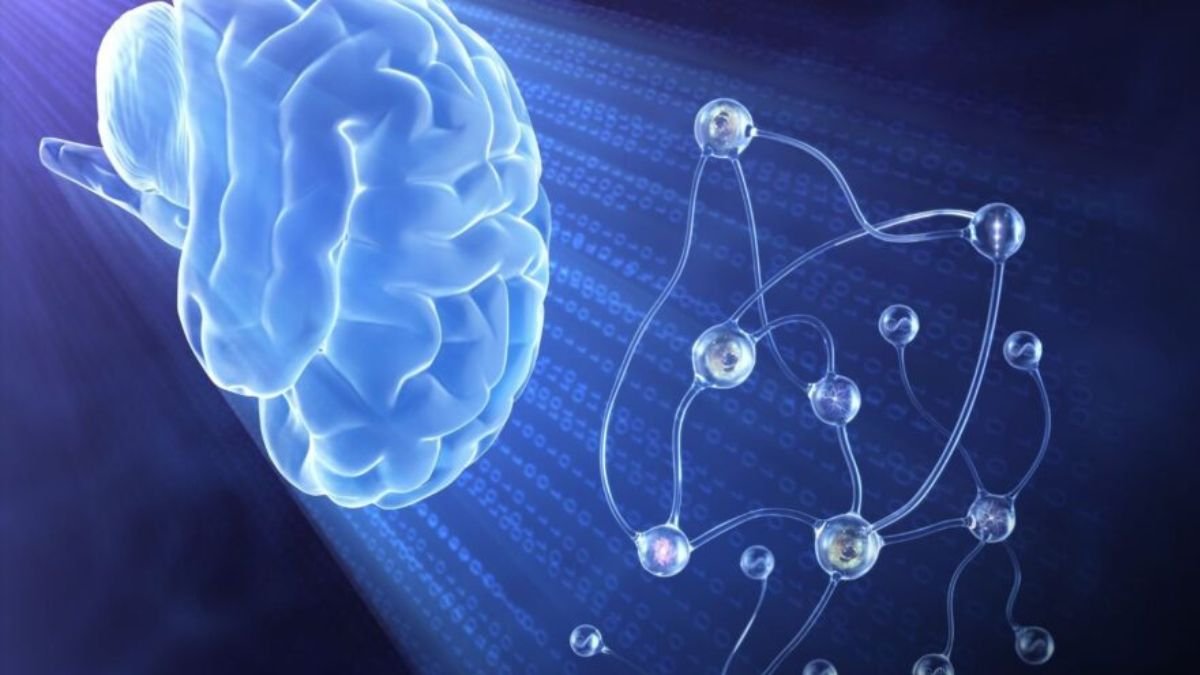
This technology encompasses disciplines such as neurofeedback, cognitive technology, human augmentation, and brain-computer interfaces (BCI). Simply put, it’s the modern art of connecting and studying the brain with machines.
Interestingly, BCI companies are no longer developing devices limited to people with disabilities or scientific research, but are directly targeting workplaces—where these devices could transform the working efficiency of millions of people.
Why are workplaces becoming a new field for neurotech experimentation?
Over the past few years, hybrid and remote work have exposed a reality we’ve always overlooked—mental fatigue and constant pressure. Hours of open tabs, constantly ringing notifications, a barrage of Slack messages, and lengthy digital meetings have exposed the limits of our brain’s capacity.
At the same time, neurotech startups claim that this entire system is a design flaw and needs to be fixed.
Companies like Neurable, Kernel, and Neurosity are developing devices you can wear like regular headphones or caps. These measure your focus, stress, and mental performance in real-time—even while you’re at your daily job.
These devices can monitor your brain activity to determine when your focus is best, when you should take a break, when you should mute notifications, and even provide a summary of your mental performance by the end of the day. In the coming years, these devices could also sync with AI work assistants like Google AI, Asana, or ClickUp to organize your daily routine based on your brain.
The Journey from Brain Data to Brain Decisions
Interestingly, neurotech companies aren’t just creating devices, but entirely new feedback systems. We’ve been collecting information like heart rate, sleep, steps, and screen time for years, but data from the brain—this is a new world.
It’s like jumping from a black and white TV to a color TV.
Imagine if your computer could understand whether you’re actually processing information or if your mind has wandered. Some platforms are even helping people gradually develop the ability to stay in deep focus for longer periods of time—much like mental gym.
Companies say this isn’t “monitoring,” but rather “modeling.” Your thoughts aren’t uploaded to the cloud, but rather, the technology gives you a smart mirror of your own mind—so you can understand yourself better and work smarter.
Are we ready for this technology?
It’s natural to ask—is everyone ready for it?
The fear of your boss knowing when you’re distracted can increase anyone’s anxiety.
We already worry about automation and AI monitoring. Now that it reaches the mind, the discomfort is bound to increase.
Many startup founders understand this concern well. Therefore, they are working on a model where you control the data—you decide what gets shared. Strict privacy laws in many countries also force them to do this.
Most importantly, this technology is “human-centered.” Machines aren’t replacing you, but rather trying to make the same tasks easier by better understanding your brain processes.
Yet, questions remain—is this technology completely accurate? Can it be implemented on a large scale? What happens if the device malfunctions?
These questions are important, and that’s why neurotech is still quietly advancing rapidly, but hasn’t fully reached the mainstream.
Who is investing in neurotech?
Investors are already eyeing this field.
Companies like Emotiv have raised millions in funding to develop brain-sensing headsets. Kernel, founded by Brian Johnson of Braintree, is working to map brain activity in unprecedented detail. Neurosity’s “The Crown” looks like a futuristic headband, but it’s essentially an AI-based productivity tracker.
This technology is also being integrated into areas like gaming, wellness, and meditation, but its primary goal is clearly to transform the future of workplaces.
Talking about the future of tech jobs, neurotech is a new and rapidly emerging field—one where neuroscience, software, data, and ethical design converge. While it may be a small sector right now, it’s poised to become a significant player in the future. The limbs are about to grow.
What might Mondays in 2030 look like?
Imagine it’s the morning of 2030.
You wear your office headset—not for listening to music, but for your neurofeedback session. It scans your brainwaves, assesses your sleep quality, and automatically adjusts your dashboard to suit your work style.
It provides you with a focus playlist, sorts your day’s tasks according to your mental state, and recommends breaks when your energy levels are about to drop.
Your manager doesn’t see your brain data, but your AI assistant does—and it schedules meetings for when you’re most mentally alert.
The need for standing desks is also gone. You have a smart chair that reads your body language, a virtual colleague that responds based on the tone of your voice, and maybe even a keyboard you can control with just microgestures or simple thinking.
This isn’t science fiction, but rather the future many companies are slowly working towards today.
But will technology alone prevent burnout?
Most importantly, no technology can fix a bad work culture.
If your work is filled with constant pressure, high expectations, and irregular hours, no device can provide relief to your mind.
If implemented incorrectly, neurotech can even exacerbate your fatigue.
Therefore, it’s crucial to pay equal attention to leadership, work styles, and boundaries as much as technology.
Best results will only be achieved when technology supports humans—not squeezes more productivity out of tired brains.
Conclusion: Sharing Work and Mind in the Coming Years
The workplace of the future won’t just be made up of smart machines, but also smart humans. Neurotech is helping us understand how we think, concentrate, and feel in different situations.
This journey has only just begun, but in the coming years, this technology—whether it’s enhancing brain focus, supporting neurodivergent employees, or relieving Monday morning brain fog—is poised to become a quiet but crucial part of our workplace.
As more startups raise funding, new experiments are conducted, and consumer-grade products hit the market, the line between mind and machine will gradually blur.
And who knows? Perhaps in the future, there won’t be a need to ask “how are you?” at the office. Our brains will automatically relay that information to our devices—and those devices will tell us how we’re really feeling.
