
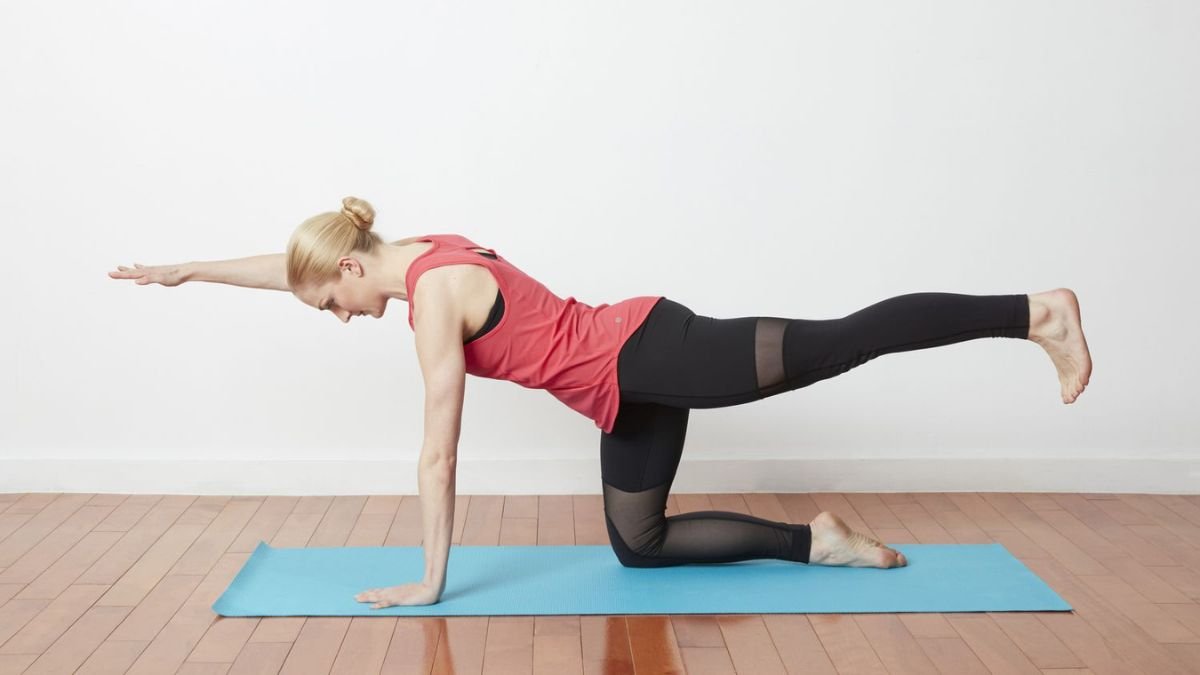
Top 5 Yoga Poses for Core Strength That Are More Effective: The concept of a healthy and fit body is incomplete without a strong core. Our core is not limited to just the abdominal muscles; it includes the muscles of the abdomen, waist, lower back, hips, and pelvic region. All these muscles work together to provide balance, stability, and strength to our body. When the core is strong, activities like standing up, sitting down, walking, bending, twisting, and lifting weights become easier and safer.
Most people consider exercises like crunches or sit-ups as the only option for strengthening their core, but yoga is a natural and effective way to strengthen the entire body, including the core, in a profound way. Yoga poses not only work on the muscles but also improve breathing, balance, and concentration. In this article, we will learn about 5 excellent yoga poses that increase core strength while also providing strength and flexibility to the entire body.
Why is Core Strength So Important?
The core muscles are the center of our body and play a role in almost every movement. Whether you are getting up from a chair, climbing stairs, or lifting heavy objects—the core is active everywhere. A weak core increases the risk of back pain, poor posture, fatigue, and injury.
A strong core supports the spine, helps maintain an upright posture, and improves balance. Core strength is also extremely important for athletes, as it improves performance and reduces the risk of injury. Strengthening the core through yoga is special because it activates multiple muscle groups simultaneously without putting unnecessary strain on the body.
1. Plank Pose (Phalakasana): The Foundation of Core Strength
The plank pose is considered one of the most effective yoga poses for core strength. Although it may look easy, performing it correctly challenges the entire body. In this pose, the abdomen, waist, shoulders, arms, and legs are all active simultaneously, developing stability and strength in the body.
While performing the plank pose, the body must be kept in a straight line from head to heels. It is essential to keep the core muscles tight so that the hips do not sag. This pose can be started with a few seconds and gradually increased to a minute or more. Regular practice improves posture and provides strong support to the spine.
Why is this pose effective?
In the plank pose, the entire body weight is supported by the core, activating the deep abdominal muscles. It also increases endurance and enhances overall body strength.
2. Navasana (Boat Pose): A great yoga pose for the lower abs
Navasana is an excellent yoga pose that deeply strengthens the core. It specifically works on the lower abdomen and hip flexors. In this pose, the body is in a state of balance, which not only increases strength but also improves focus and control.
In this pose, you sit and lift your legs off the ground, balancing your body in a “V” shape. Keeping the spine straight and maintaining control over your breath is very important. Initially, holding it for even a few seconds can be challenging, but with practice, the duration can be gradually increased.
Why is this pose effective?
Navasana activates deep muscles like the transversus abdominis, which are the true source of core strength. It improves balance and is also considered helpful in reducing belly fat.
3. Adho Mukha Svanasana (Downward-Facing Dog): Strength with Stretch
Adho Mukha Svanasana is commonly considered a stretching pose, but it is also highly effective for core strength. In this pose, the body is in an inverted “V” shape, where the abdominal and back muscles support the spine. Pressing your hands into the ground, lifting your hips, and keeping your abdomen pulled in are the main components of this pose. This pose activates the entire body and also improves blood circulation.
Why is this pose effective?
In Adho Mukha Svanasana, the core muscles work continuously to stabilize the spine. It also strengthens the shoulders, arms, and legs, increasing balance and flexibility in the body.
4. Vasisthasana (Side Plank): Best for Oblique Muscles
Vasisthasana, or Side Plank, specifically strengthens the side of the body, i.e., the oblique muscles. These muscles play a crucial role in twisting and side movements. In this pose, the body balances on one hand and one foot, which is a significant challenge for the core.
It is essential to perform this pose on both sides to maintain balance in the body. Initially, an easier version can be done by bending the knees.
Why is this pose effective?
Vasisthasana increases lateral stability and strengthens the core from all sides. It also increases the strength of the shoulders and arms.
5. Viparita Shalabhasana (Superman Pose): Lower Back Strength
Viparita Shalabhasana works on a part of the core that is often overlooked—the lower back. In this pose, you lie on your stomach and lift your arms and legs, activating the back, glutes, and core simultaneously.
It is very important to keep the neck in a neutral position and control your breathing during this pose. This pose is also considered helpful in relieving back pain.
Why is this pose effective?
This pose strengthens the posterior chain and creates a balance between the abdominal and back muscles, making the core more stable and strong.
Conclusion: Achieve a Strong and Balanced Core with Yoga
A strong core not only provides good posture but also strengthens the body from within. It makes you stronger. These five yoga poses—Plank, Navasana (Boat Pose), Adho Mukha Svanasana (Downward-Facing Dog), Vasisthasana (Side Plank), and Viparita Shalabhasana (Reverse Locust Pose)—effectively work all the essential core muscles.
If you incorporate them into your yoga practice regularly, you’ll notice a significant difference in your body’s stability, balance, and strength within just a few weeks. Whether you’re a beginner or an experienced yogi, these poses will guide you toward a strong, healthy, and energetic body. Regular practice, proper technique, and patience—these are the true keys to a strong core.
FAQs
Q. What is core strength?
A. Core strength refers to the strength of muscles in the abdomen, lower back, hips, and pelvis that support the body.
Q. Can yoga really help build core strength?
A. Yes, yoga engages deep core muscles while improving balance, flexibility, and overall stability.
Q. How often should I practice yoga for core strength?
A. Practicing 3–5 times a week is enough to see noticeable improvements.
