
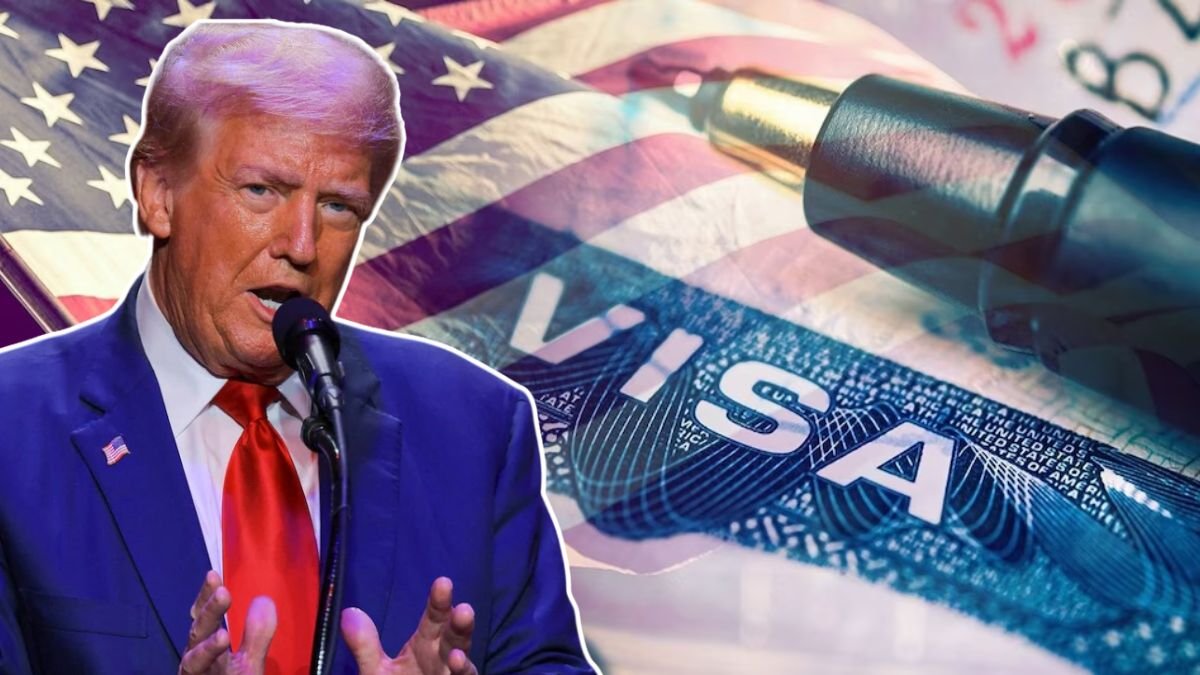
New U.S. Visa Rules 2026: The United States has long been a land of opportunity for people around the world, but starting in 2026, coming to, staying in, and working in the US is going to become more complicated and expensive than ever before. USCIS has made it clear that several key immigration-related fees will increase starting January 1, 2026, and stricter security measures will also be implemented for individuals from certain countries.
The Trump administration designated 19 countries as “high-risk,” implementing new, stricter rules for their citizens and green card holders. This will affect not only new applicants but also millions of people already living in the US or trying to maintain their legal status.
Why are these changes being made?
The US government says these steps are necessary to enhance national security and improve the transparency of the immigration system. According to officials, people sometimes enter the US using fraudulent documents or overstay their visas. The new fees and stricter biometric systems will help the government better track who enters, who leaves, and who overstays their authorized period of stay.
However, it is also true that these changes will burden ordinary immigrants, especially those seeking asylum or trying to rebuild their lives on a low income.

Impact of the new USCIS fees effective in 2026

If you have applied for asylum in the US, you will now have to pay an annual fee. Previously, this fee was $100, but it will increase to $102. While this may seem like a small increase of only two dollars, it becomes a burden when you are already struggling to pay for rent, food, and legal fees.
The fee for an Employment Authorization Document (Form I-765) has also been increased. Whether you are applying for a work permit for the first time or renewing it, you will have to pay more. The fee for an initial Employment Authorization Document (EAD) has increased from $550 to $560, and the renewal fee has increased from $275 to $280.
Those applying for Temporary Protected Status (TPS) will also have to pay more. The fee for Form I-821 has increased from $500 to $510. This means that people living in the US under temporary protection due to war, natural disaster, or political crisis will also have to spend more money to maintain their status.
USCIS has clearly warned that any application submitted with the old fees will be rejected without review.
What will be the impact on people from high-risk countries?
The biggest and most sensitive change is for people from the 19 countries designated as “high-risk.” Green card holders and applicants from countries like Afghanistan, Iran, Somalia, Sudan, Yemen, Cuba, Venezuela, and Turkmenistan will now face even stricter scrutiny.
This means that if you are from one of these countries, your travel, your status, and your file may be reviewed repeatedly. In some cases, people may face difficulties leaving and re-entering the United States.
In addition, a complete entry ban has been imposed on citizens of 12 countries. This means they can no longer enter the US, while partial restrictions will apply to seven other countries.
Biometric system and stricter surveillance
From 2026, biometric checks at US ports of entry and exit will be further strengthened. Simply checking passports and visas will no longer be sufficient. Authorities will also collect photos, fingerprints, and in some cases, iris scans.
The government says this will help curb terrorism, identity fraud, and visa overstays. However, this may lead to longer wait times at airports for ordinary travelers and raise concerns about sharing personal information.

Experts’ Opinions and Public Concerns
USCIS states that these measures are necessary for the security of Americans, but immigration lawyers and human rights groups view them differently. They argue that even a small increase in fees is a significant burden for those already living with limited resources. Many refugees face the difficult choice of paying for application fees or paying their rent.
What You Should Do Now
If you are involved in any type of immigration process in the United States, the most important thing is to understand the fee structure before and after January 1, 2026. Confirm the exact fees with the USCIS website or your lawyer.
If you are from one of the high-risk countries, seeking legal advice before traveling is crucial. Keep all your documents updated and do not ignore any notices or emails.
These new rules for 2026 are set to change the landscape of U.S. immigration. Accurate information, timely action, and legal assistance are essential to navigate these changes successfully.
FAQs
Q. When do the new U.S. visa and green card rules start?
A. They take effect on January 1, 2026.
Q. Who will be affected by the USCIS fee increases?
A. Asylum seekers, TPS holders, parole applicants, and people applying for or renewing work permits.
Q. What is the average fee increase for work permits (EAD)?
A. Most EAD fees increase by about $10 for both new and renewal applications.
Q. Which travelers will face stricter security checks?
A. Green card holders and applicants from 19 high-risk countries.
Q. Will some countries face travel bans?
A. Yes, 12 countries face full entry bans, while 7 others have partial restrictions.
